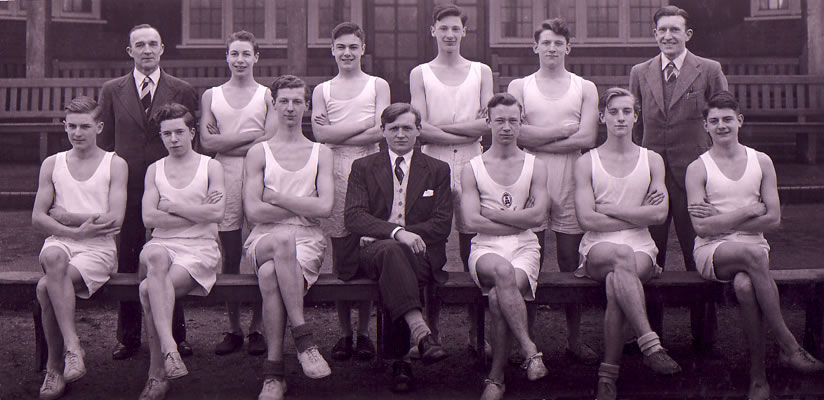
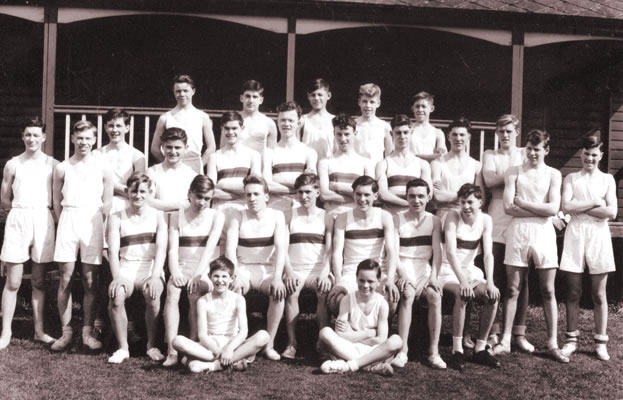
Burton Grammar School Master (Geography 1953-1984, Deputy Headmaster 1968-1984)
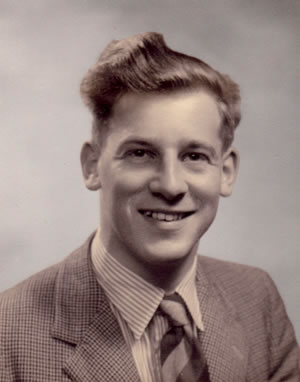 Geoffrey was born in Radcliffe-on-Trent, Nottinghamshire in 1928. He was educated at West Bridgford Grammar School from which he gained a place at Hull University College to take a London BA Honors in Geography from 1947 to 1950.
After graduating, Geoff continued at Hull for a further year to complete his teacher training having already decided that he wanted to pursue a profession in teaching. During this period, he met a girl in fencing classes. Daphne, who was also studying at Hull, was from Stapenhill, Burton-on-Trent. In 1951, they were married but almost straight afterwards, Geoff was to start his two years National Service with the RAF where he served in UK and in Berlin.
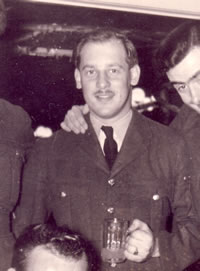 In 1953, Geoff and his now wife decided that they would like to move back to the Midlands somewhere near Burton or Nottingham.
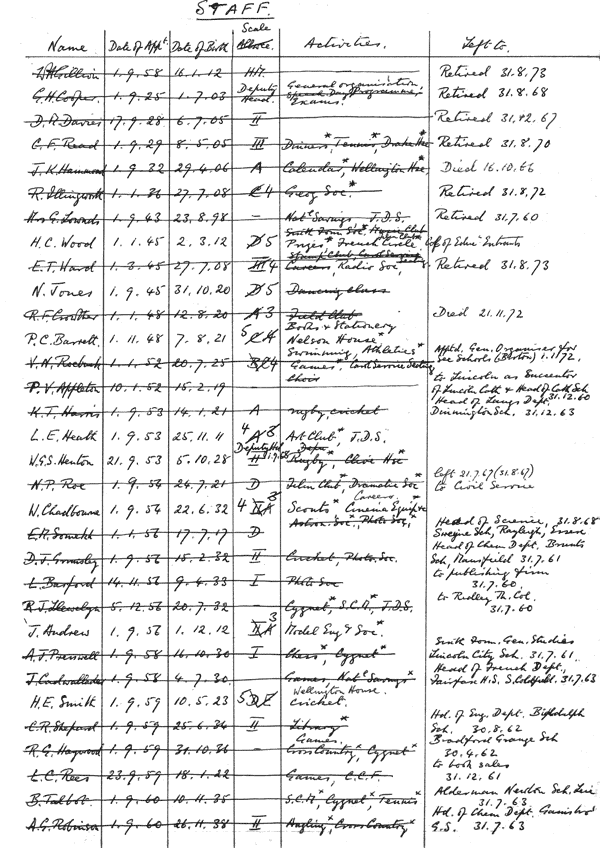
In the same year, Mr Pitchford the Headmaster at Burton Grammar School, then at Bond Street, was taken ill and George Cooper, the maths teacher, was to take on the role of acting Headmaster until Mr Pitchford had recovered. This left a temporary vacancy for a maths teacher. Although ideally looking to teach geography, Geoff applied for the post and was successfully appointed. As luck would have it, during this brief period, the geography teacher announced that he wanted to leave the teaching profession and that he would like to leave his post at the end of the term.
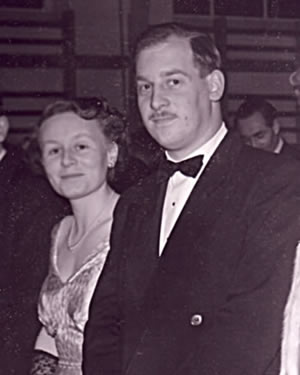 Having been pleased with Geoff’s performance, he was a natural successor so at the start of the following term, Mr Pitchford returned, Mr Cooper resumed to teach maths and Geoff Henton was permanently appointed as geography teacher. All could not have worked out better!
Geoffrey was to hold this post from 1954 to 1968 which covered the period of Bond Street School relocating to the ‘new’ Burton Grammar School in Winshill. During this period, he was also very active outside of school hours and happy to assist with rugby and cricket where he was involved with the school teams and acted as referee and umpire. Eventually, he was on the selection board for Staffordshire and Midlands rugby.
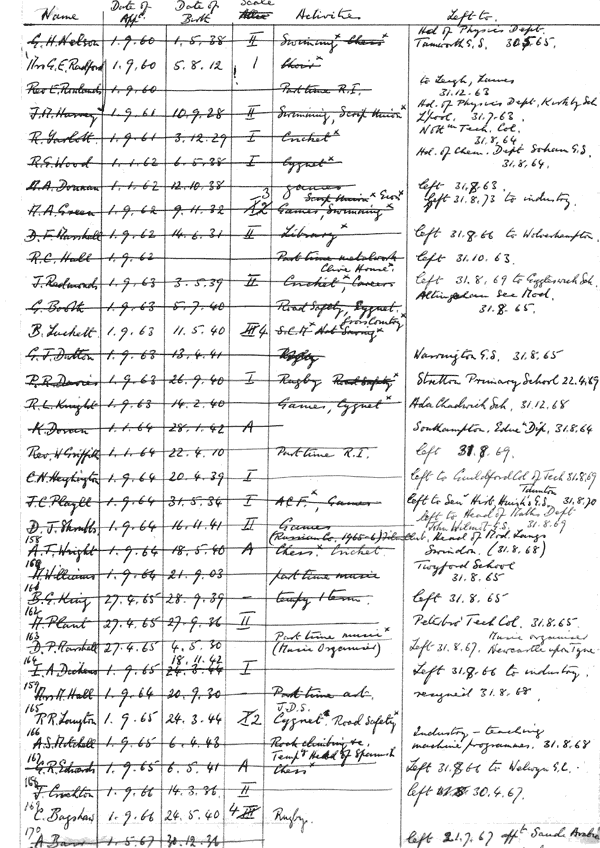
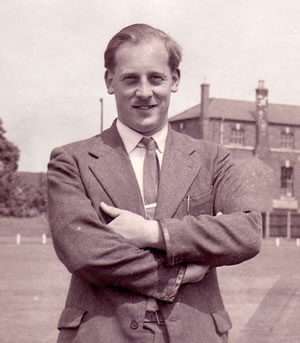 In 1968, George Cooper retired as Deputy Headmaster. At this time, Geoffrey was still second geography teacher under Ron Illingworth as Head of Geography. Harry Smith had not too long earlier returned to the Grammar School to take over the maths department. Although thought of as being the most likely candidate, Harry had made it plain that he had no interest in such a position wanting instead, to concentrate on mathematics and the open scholarships which were his passion. Speculation was that Mr Hugh Wood, Head of the languages department, would be likely to succeed above other heads of department. Nonetheless, Geoffrey decided to formally apply and was interviewed.
Geoff clearly made a very strong impression. He was young, very committed and had an excellent reputation for maintaining discipline whilst achieving high results and emerged the victor. A few expressed surprise at his appointment but no-one could deny that he very quickly established himself as a very able and successful ‘second in command’. He also continued to teach geography.
During this period, his son David became Burton Grammar School Head Boy. Each year, there was a football match between the prefects and staff. For the only time in the game’s history, two opposing teams were captained by father and son.
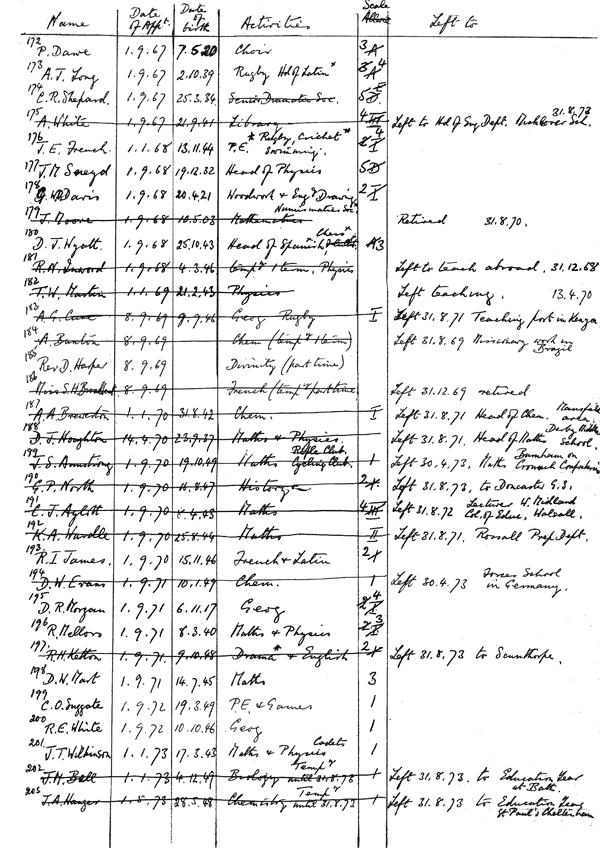
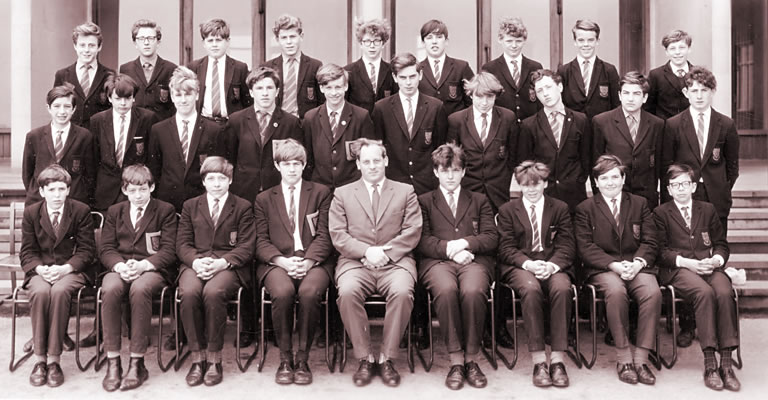 In 1973, William Gillion was to retire as Headmaster in the middle of the year due to external pressures and Geoffrey was appointed acting Headmaster for the remainder of the year until Brian Harris was instated, having been moved from Horninglow Secondary Modern School to oversee the ‘smooth’ transition from Grammar School to Comprehensive. At this point, Geoff reverted to Deputy Headmaster for what was probably going to be the most disruptive period in the school’s history. Geoffrey earned much respect in this period for his strong focus on making sure that the now mixed school students got the best possible education out of the situation as it now was without getting drawn into the politics of either side.
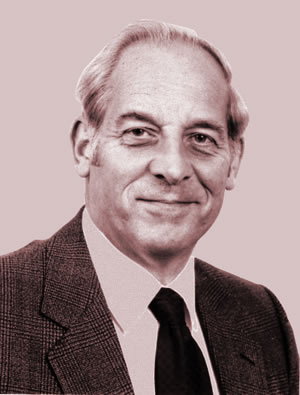 He continued as an effective Deputy Head and geography teacher until he was forced to take early retirement in 1984 due to poor health.
Post-retirement, Geoff engaged himself in a lot of charity fund-raising activities, most particularly for Oxfam for whom he became Chairman of support and fund-raising. This continued while he was wheelchair bound until 1988, when he became paraplegic.
He finally passed away in 1989 and was survived by his wife Daphne, two daughters Val and Tricia, and son David.
Val B.A, M.A (Applied Linguistics) became Head of General Education Programmes for Higher Colleges in the United Arab Emirates. Tricia B.A. (Music), worked with the London Symphony Orchestra before moving to Australia and joining the Australian Chamber Orchestra as Operations Manger.
David achieved B.Sc Hons. first class (Civil Engineering) at Imperial College, London and spent twelve years working in Kenya before much travelling and finally setting in New Zealand where he started an International Communications Training Company.
Sadly, Geoffrey only knew two of his seven grandchildren.

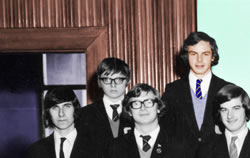 It is even possible to convert black and white photos into a colour one although it is a time consuming process. This example shows a brief extract of the same 1968 intake photo.
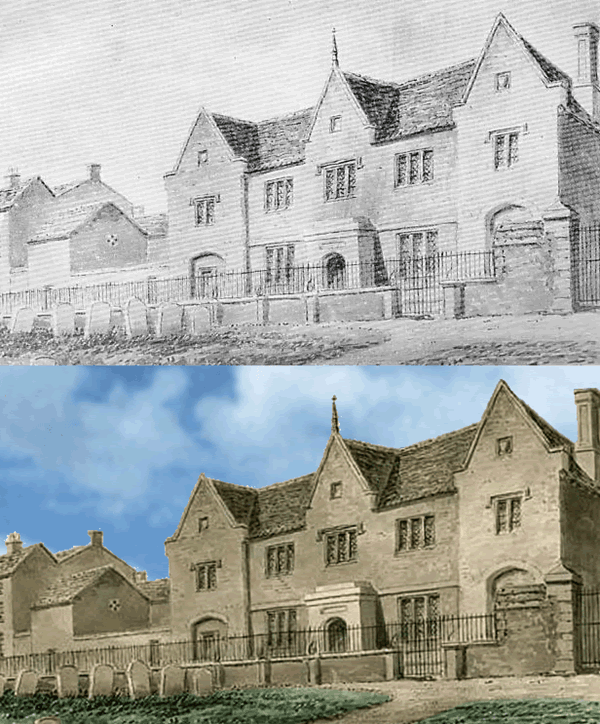
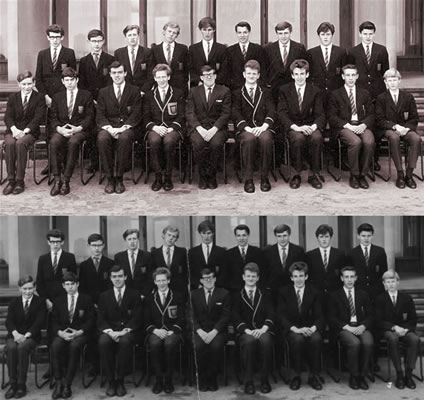 Whilst I try to keep the picture quality of this website as high as possible, images are sometimes of lesser quality than I would like. I can assure that this is not through my being lax; it is because I sometimes have poor quality sources to work from.