Menu Close

Bond Street Opening (1877)

School

Many years later than originally expected, in 1877, Burton Grammar School was at last transferred to the newly erected Bond Street School.

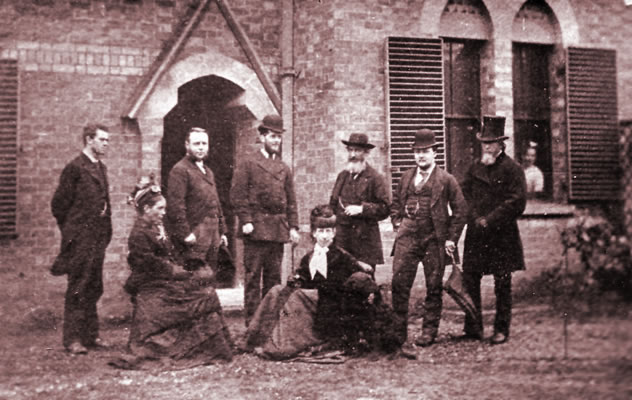
Staff
The above picture was taken just prior to the opening of the new school and shows the school staff and their wives.

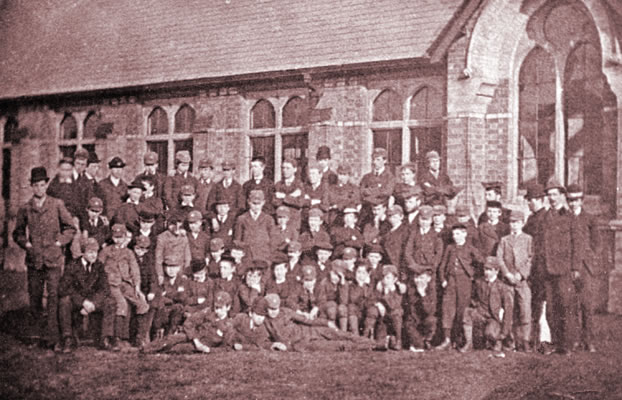
Group

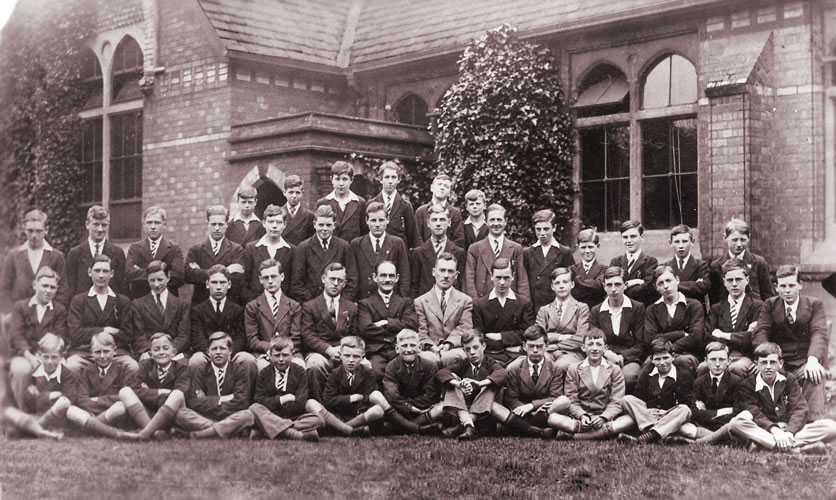
Fortunately for us, Mr Tripp had the foresight to have the above picture taken which shows the entire school, pupils and staff, at the time of transfer. This included the grand total of sixty-seven, all boy, pupils.

The majority of students at this time still had to pay a £8 per annum fee. Scholarships were available from the Local Education Authority to boys who had passed a satisfactory examination, although only four such scholarships were available each year.

Subjects on opening included: Mathematics, Geography (political and physical), English (grammar, composition and literature), History (ancient and modern), Natural Science, Latin, Economics, Art and Drawing, Vocal Music and one foreign, European language.

1880 – Bond Street

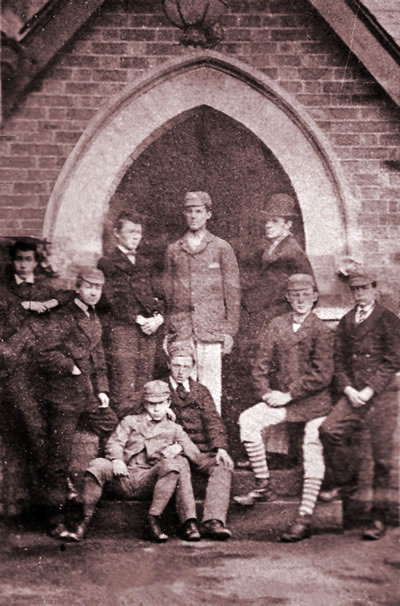
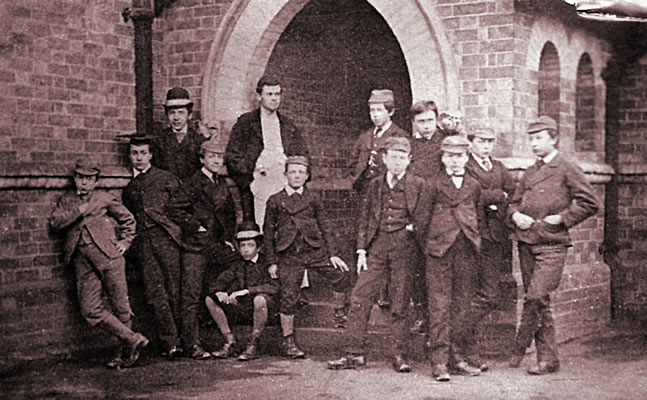
My apologies for the poor quality of the photos but they have been restored as far as possible without destroying any of the original character or information; they are after all, well over 120 years old and just too good not to feature!

By 1880, the school was now established with just over seventy pupils. The number of pupils was to remain very low but received a boost a few years later, in 1884, with the amalgamation of Allsop’s School – but still well short of the over 500 boys by the time the school moved to much needed larger premises. Accommodating such a number would have been inconceivable at the time.

The Headmaster in 1880 was still Charles Undershell Tripp who had seen the school move from Friars Walk to the new premises. Second master was T.W. Beckett. Other masters were Dr. A.B. Plant (music master), J.F. Halker, J.O. Webb and Mssr. H.L. Guilmant (French).

It can be seen that there is no formal uniform yet. Boys had to wear trousers and jacket to an approximate style and colour and some form of cap for juniors which bore a school badge, designed by Mr Tripp; this appears to be relaxed to other types of hat for seniors.

School Regulations – 1930/40s

The School Regulations for the late 1930s and early 1940s provide a good feel for the school in those times.

The standard fee which applied to almost all pupils was Five Guineas (£5.25) per term – not including text books on top of which had to be paid 9d (3.75p) for the Cygnet magazine subscription and 1 Shilling (5p) for the Hospital – a not insignificant fee at the time!

rules

rules

rules

rules

rules

Just to put all of this in context – at the time:

angliaAn average three bedroom semi-detached house would be around £550

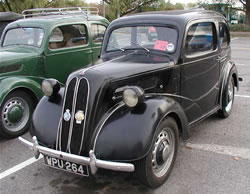
A new Ford Anglia de Luxe family car would set you back £140 and to keep it going, petrol was 1 shilling and sixpence a gallon (1.65p per litre).

Boy’s Flannel suit 25/-, shirt 7/6, jumper 7/6, shoes 16/- (total £2.80).

Mars bar from the tuck shop 6d (2.5p)

Bond Street 1900 Textbooks

The following text books were in use in 1900. Tantilizingly, some of these books are still obtainable from book collector websites.

Maths
A Treatise on Arithmetic – James Hamblin Smith
Exercises in Algebra – James Hamblin Smith (Later re-published by Hall and Knight).
Euclid – Isaac Todhunter (Euclid was still fashionable to be eventually replaced by general geometry).
Elementary Trigonometry – Hall and Knight
Differential and Integral Calculus –  J. Edwards

Science
The Elements of Statics and Dynamics I & II (Mechanics) – S.L. Loney
Heat for Advanced Students – Edwin Edser
Modern Chemistry (!) – Henry Roscoe

Other
French – Chardenal for Grammar and Sentences. Set books for Cambridge Local.
Latin – Kennedy’s Latin Primer, Caesar to Division III. Gepp’s Latin Prose. Vergil, Ovid and Cicero for Divisions I and II.
English – West’s Grammar. Verity’s Texts for Shakespeare.
History – Ransome.
Geography – Longman’s series for political and physical geography.

Winshill Opening (1957)

Bond Street school had become hopelessly inadequate after its 80 years of usage. It was in fact, already experiencing difficulties before the outbreak of the first world war.

In 1918, 1931 and 1938, plans for a new school had looked close to coming to fruition but had eventually fallen through. A new school might have succeeded earlier had it not been for the outbreak of the second world war shortly afterwards.
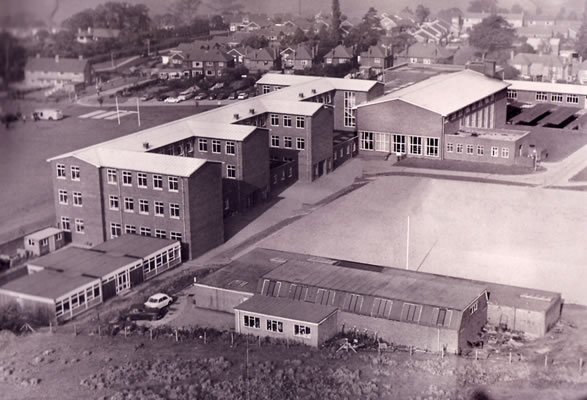
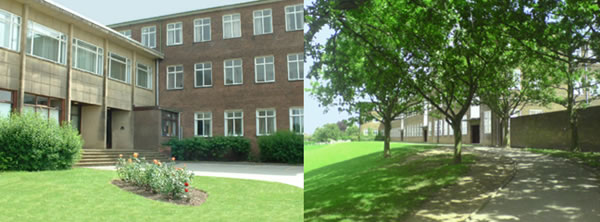
Winshill School

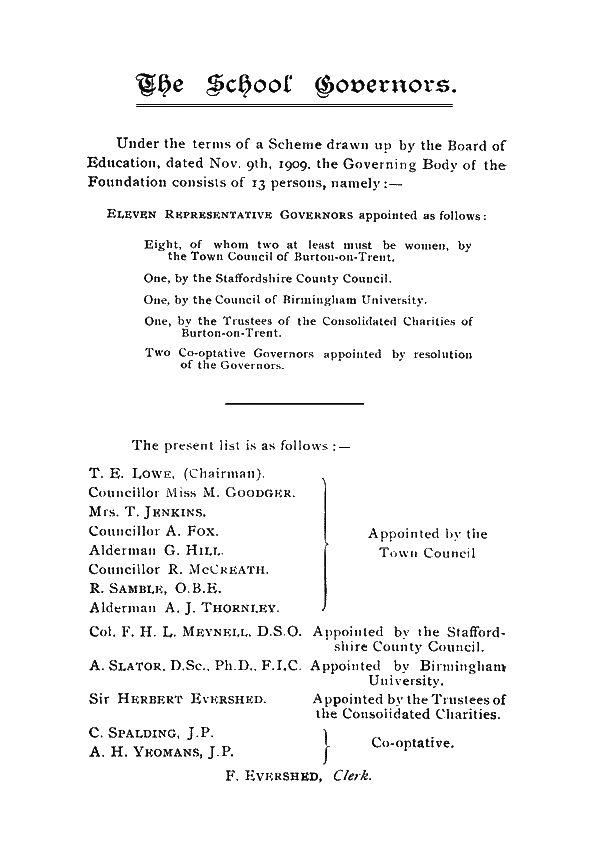
Finally, in 1952, plans for a new school were accepted. A deal was worked out to exchange the land currently belonging to the school for a new four acre site in Winshill. Final plans were completed on time for March 31st 1953. By 1955, building was very well on the way and it was expected that occupancy of the new school would begin after the school holidays in September, 1956. The school buildings would belong to the Governors, chaired by Mrs Evershed; all equipment would belong to the Town.
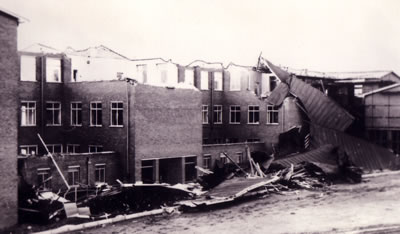
Winshill RoofOn February 29th 1956 however, disaster struck. The exposed site on the top of a hill had not been glazed, particularly the large staircases, and a freak storm with almost hurricane strength winds tore the entire roof off the school and destroyed supporting walls and sections of the building. This proved to be disastrous and was to put back the opening of the school for a full twelve months.

The final cost of the building, not including any furniture or equipment, was a little over budget at £192,744 4s. 4d. It was opened in 1957 by Lord Evershed.

Aside from the main school, a new ATC headquarters complete with rifle range was built, assisted by a grant from the War Department, remembering that this was not that long after the war, together with a scout hut. In 1962, a Sports Pavilion was added together with a playing field extension and running track in substitution for the old pavilion and playing field in Lichfield Street close to the old school.
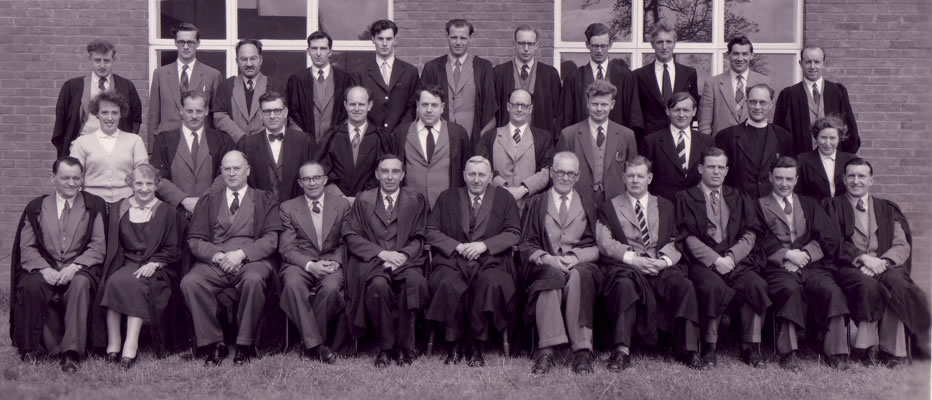
Winshill Staff

The school was designed to accommodate 540 pupils. It was allocated a staff of 28 including a Headmaster and Deputy. The Headmaster at the time of opening was Herbert Pitchford, better known as Horace, who had been headmaster at Bond Street Grammar School since 1950 but was soon to retire to be replaced by William Gillion. The majority of the staff also transferred from Bond Street; it was slightly extended in the first year.

By 1966, despite the new, large Dovecliff Grammar School now also serving Burton, the school was struggling for space with now over 600 pupils. In 1967, a new three classroom block was built which included a Technical Drawing room, a Mathematics room and an expensively equipped Language Laboratory overseen by Hugh Wood.

Bond Street School

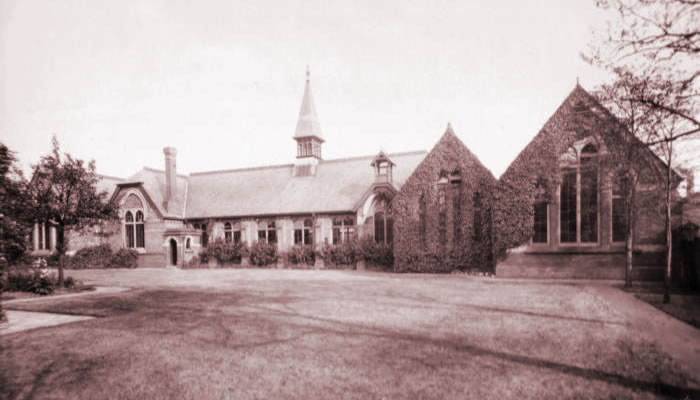
In 1877, some sixteen years after it was first proposed, Bond Street School, together with the Headmasters house which had caused some controversy, was finally opened and the school was relocated from its now uncomfortably overcrowded premises in Friar’s Walk.

A new chapter in the school’s history had begun.

Select page to view:

Winshill Tour (1958)

These pictures are taken in the first year of the ‘new’ Burton Grammar School in Winshill.

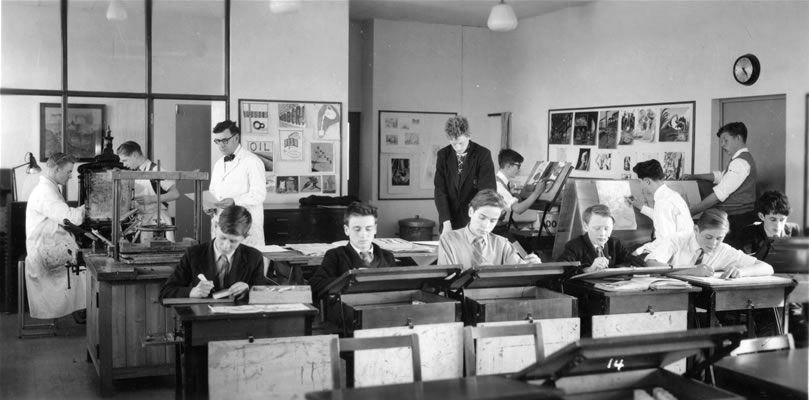
Art Room – with ‘Chippy’ Heath trying to look busy

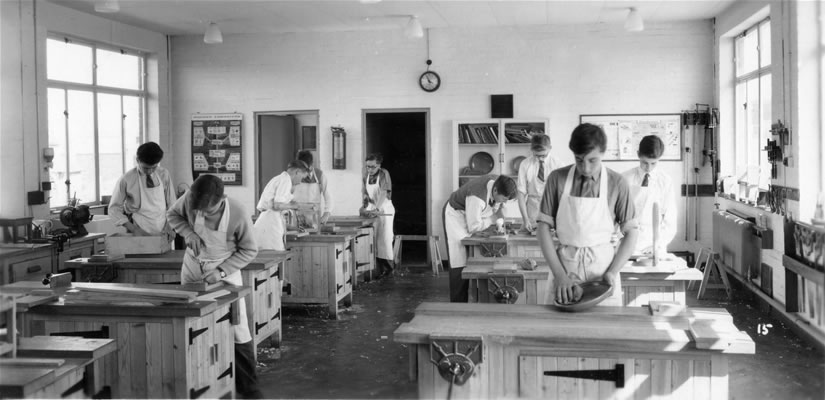
Woodwork Workshop – with ‘Taffy’ Davies managing to keep out of frame

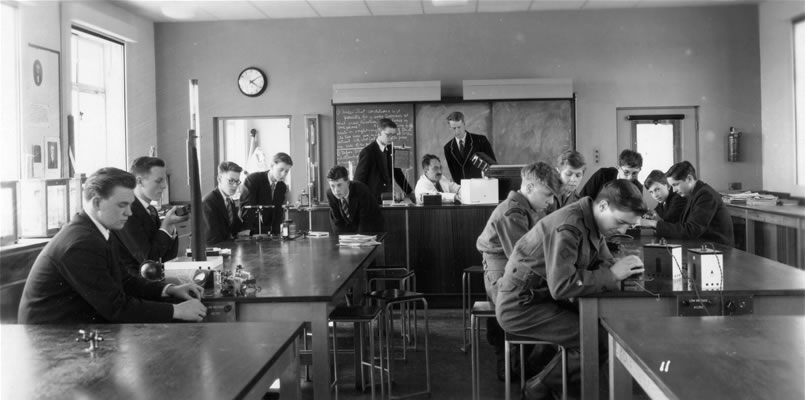
Senior Physics Lab – with Ezra Somekh, sadly just before my time

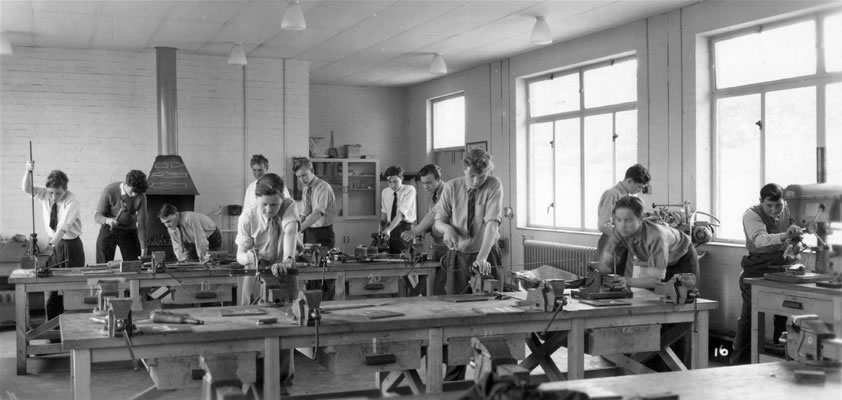
Metalwork Workshop – under ‘Tinman’ Andrew watchful eye

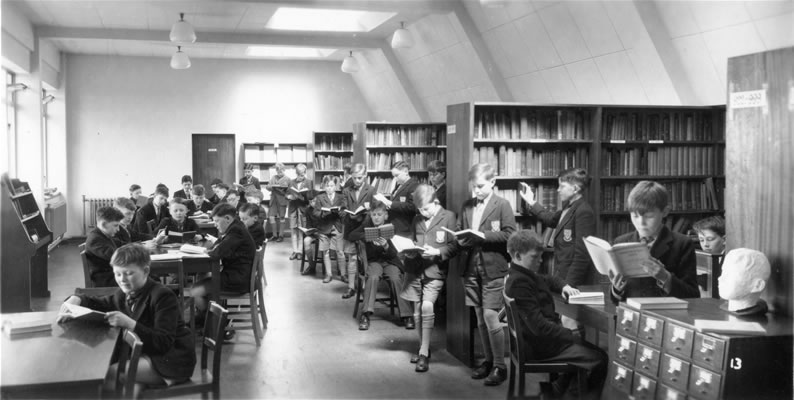
Library – not posed… honestly

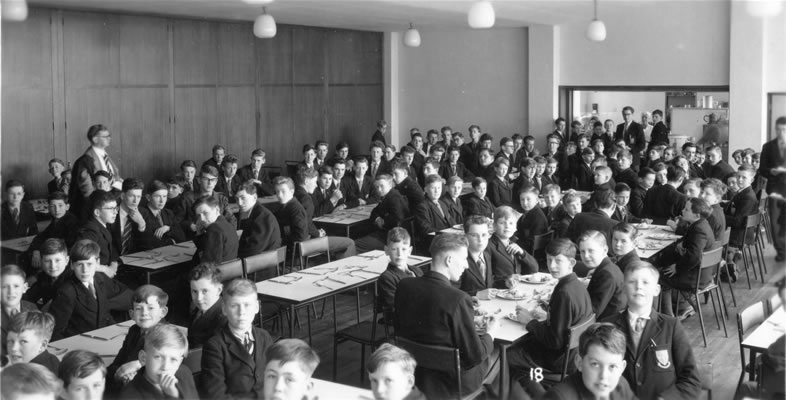
Dining Hall – with everyone hoping that the photographer will fall off his chair

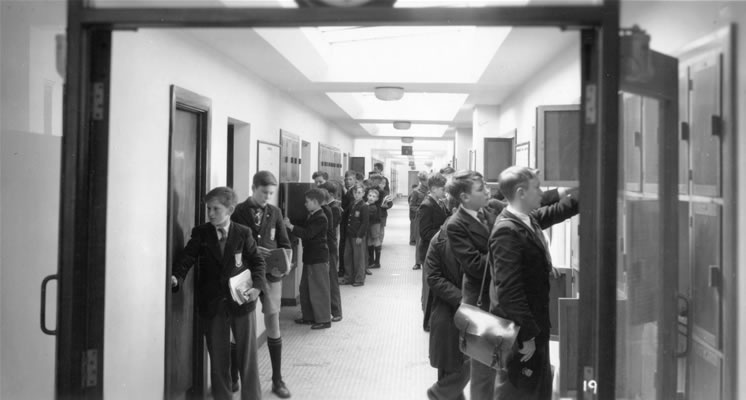
Main Corridor – Sorry Lad, the tuckshop’s not open yet

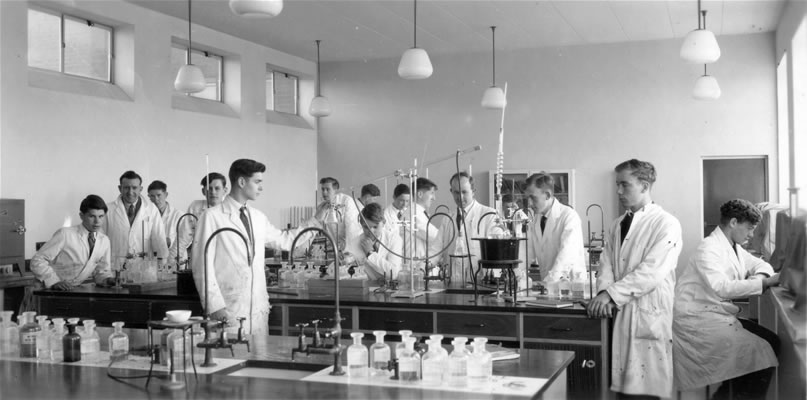
Chemistry Lab – with Norman Jones trying to disguise himself as a student to Dennis Grimsley

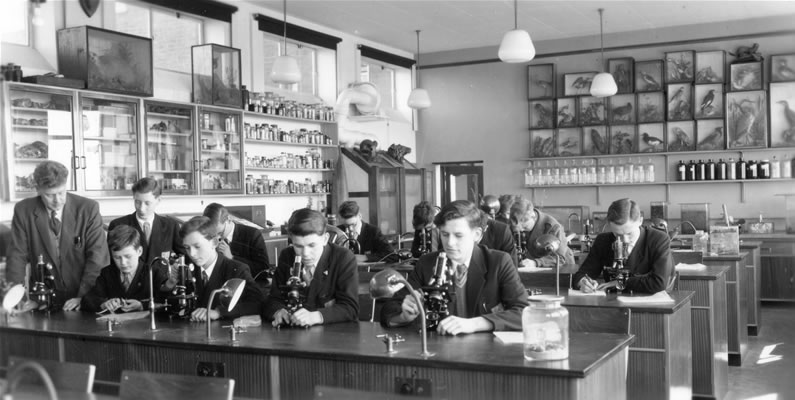
Biology Lab – with ‘Joey’ Crowther on the prowl

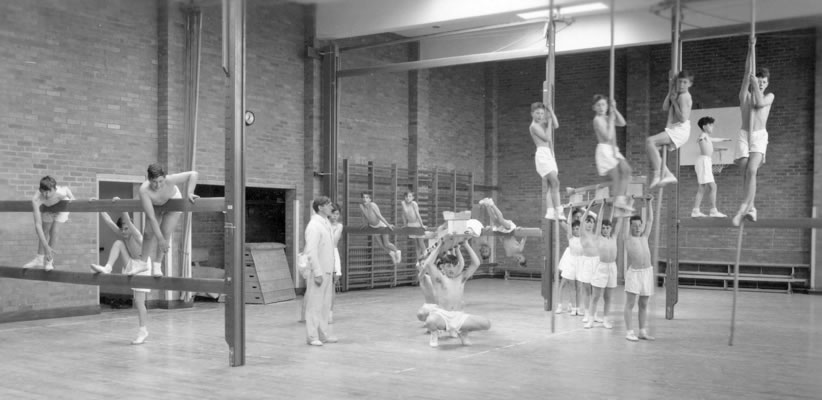
Gym – with Vic Roebuck slighty over-posing

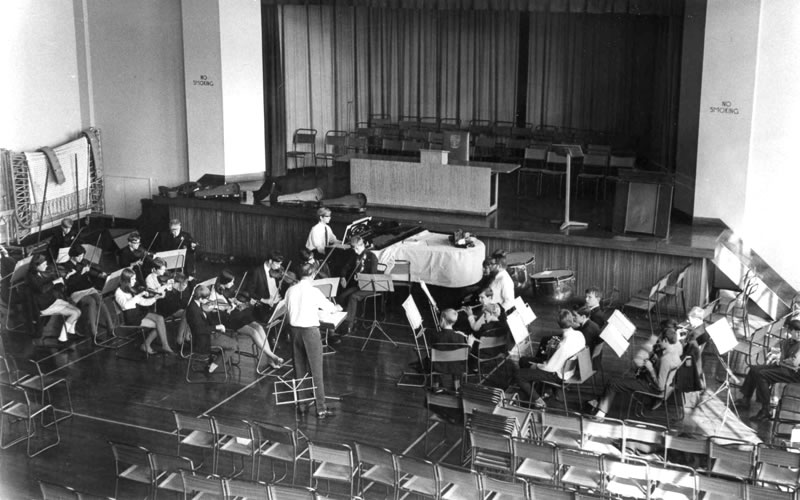
Stage and Hall – with its always amusing ‘No Smoking’ signs


1931 Nelson House

This excellent find shows the complete Nelson house for 1931. The Headmaster during this period was S.E. Wilson. Masters featured include E.C. Nicholson (House Master?) and A.C. Brown and the only pupil identified is Charles May who can be seen 5th from right on the centre row.

It is tantilizing to know that photos of the other three houses were taken and it is my hope that they can all be rescued before it is too late.